

Stamping
Your Leading KC Supplier
KC is a high-tech enterprise that manufactures hardware products for stamping, machining, turning, and wire forming, especially in stamping and turning processes, wire forming and turning. Strict quality control is ensured & customization is welcomed.
Why Choose Us
100% Satisfaction Guarantee
We're so confident you'll be happy with our services, we guarantee it.
Extensive Experience
Our team of professionals have been in the business for quite some time. Let us deliver solutions that work the first time!
Fair & Competitive Pricing
Our pricing structure is designed to make a modest profit so that we can continue to be a Hero another day.
-
![Automotive Metal Stamping]() Automotive Metal StampingAutomotive metal stamping parts are automotive parts manufactured through metal stamping processes. They play a key role in automotive manufacturing. These components provide structural strength,...read more
Automotive Metal StampingAutomotive metal stamping parts are automotive parts manufactured through metal stamping processes. They play a key role in automotive manufacturing. These components provide structural strength,...read more -
![Medical Metal Stamping]() Medical Metal StampingMedical metal stamping parts are medical equipment parts manufactured through advanced metal stamping processes. Their precision manufacturing and high-quality materials ensure their important...read more
Medical Metal StampingMedical metal stamping parts are medical equipment parts manufactured through advanced metal stamping processes. Their precision manufacturing and high-quality materials ensure their important...read more -
![Electronic Part Stamping]() Electronic Part StampingElectronic Part Stamping is a key component in the electronics industry manufactured through precision stamping technology. It has a high degree of accuracy and reliability, providing solid...read more
Electronic Part StampingElectronic Part Stamping is a key component in the electronics industry manufactured through precision stamping technology. It has a high degree of accuracy and reliability, providing solid...read more -
![Stainless Compression Springs]() Stainless Compression SpringsProduct advantages features The best thing about extension spring stock is that you can make them exactly design and fine craftsmanship make it possible to change things like size, load, material,...read more
Stainless Compression SpringsProduct advantages features The best thing about extension spring stock is that you can make them exactly design and fine craftsmanship make it possible to change things like size, load, material,...read more -
![Retention Spring Clips]() Retention Spring ClipsRetention Spring Clips are uniquely designed elastic clamps favored for their superior retention and lightness of use. This spring clamp is widely used in various industries and provides a...read more
Retention Spring ClipsRetention Spring Clips are uniquely designed elastic clamps favored for their superior retention and lightness of use. This spring clamp is widely used in various industries and provides a...read more -
![Lower Frame Stamping]() Lower Frame StampingLower frame stamping parts are structural support components manufactured through advanced stamping processes and are widely used in the bottom structures of various types of mechanical equipment...read more
Lower Frame StampingLower frame stamping parts are structural support components manufactured through advanced stamping processes and are widely used in the bottom structures of various types of mechanical equipment...read more -
![Battery Contact Stamping]() Battery Contact StampingBattery contact stamping is a battery connection component manufactured through advanced stamping technology. Its precision design and high-quality materials ensure reliable power connection.read more
Battery Contact StampingBattery contact stamping is a battery connection component manufactured through advanced stamping technology. Its precision design and high-quality materials ensure reliable power connection.read more -
![Steel Metal Stamping]() Steel Metal StampingSteel metal stamping are metal parts manufactured through a precision stamping process using high-quality steel to ensure excellent strength and durability.read more
Steel Metal StampingSteel metal stamping are metal parts manufactured through a precision stamping process using high-quality steel to ensure excellent strength and durability.read more -
![Medical Stamping]() Medical StampingMedical stamping parts are metal parts specially designed for the medical industry. Through advanced stamping technology and the selection of high-quality materials, they ensure their excellent...read more
Medical StampingMedical stamping parts are metal parts specially designed for the medical industry. Through advanced stamping technology and the selection of high-quality materials, they ensure their excellent...read more -
![Precision Stamping]() Precision StampingPrecision stampings are metal parts manufactured through highly advanced stamping processes and are known for their precise dimensions, complex shapes and excellent performance.read more
Precision StampingPrecision stampings are metal parts manufactured through highly advanced stamping processes and are known for their precise dimensions, complex shapes and excellent performance.read more -
![Fourslide Metal Stamping]() Fourslide Metal StampingIn manufacturing, the production of precision metal parts requires a high degree of technology and expertise. Fourslide metal stamping technology stands out in this field with its unique advantages.read more
Fourslide Metal StampingIn manufacturing, the production of precision metal parts requires a high degree of technology and expertise. Fourslide metal stamping technology stands out in this field with its unique advantages.read more -
![Fourslide Precision Stamping]() Fourslide Precision StampingIn modern manufacturing, the demand for precision parts is growing day by day, and Four-slide precision stamping technology has attracted much attention for its excellent processing accuracy and...read more
Fourslide Precision StampingIn modern manufacturing, the demand for precision parts is growing day by day, and Four-slide precision stamping technology has attracted much attention for its excellent processing accuracy and...read more


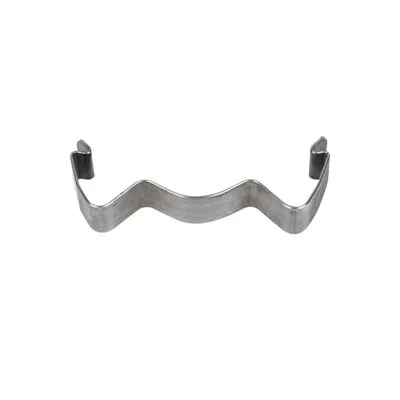


Advantages of Stamping
Stock components do not often align with the rest of your products. To ensure compatibility, you should customize the fabrication of the parts. In doing so, you ensure the parts meet the size and shape your project requires. When working with us at Standard Die, you can choose from many metals and customization options to ensure the fabricated parts are compatible with the components they need to work with.
Customized parts come with the benefit of working with design and engineering teams throughout the process. With their expertise, your products meet the cost and manufacturability requirements you set forth. Plus, you can rely on the parts’ performance during use because you know they meet your standards.
Part reliability stems from the assurance of the accuracy of its creation. Professional customization services that meet your needs include adhering to the tolerances you set forth. Even when using the parts in proprietary situations, such as robotics applications or medical devices, that require reliable function based on accurately formed parts, you can know the customized parts will perform as expected.
Durability is essential for many industries. For instance, aerospace applications require components that fit together and work in harsh environments of temperature and moisture extremes. Customization allows you to select the most durable materials for the purpose of the part. Choosing materials for the part fabrication to withstand intended conditions is another way that customization excels over using standard parts.
With standard parts, you may only have options to add holes or choose the finish. When you customize components for metal stamping, you have the ability to tailor every aspect of the creation, and you are not alone during the process. At Standard Die, we assist you throughout the customization of your parts. Our services include assisting with design, choosing materials, identifying finishes and more. We have more than five decades of expertise backing up our suggestions and production.
Unlike standard parts that have ownership by their manufacturer, you gain the proprietary rights to your parts. When you have a die crafted for your parts by Standard Die, we only use it for your part metal stampings.
With full ownership of the customized parts and their designs, you can avoid problems with competitors trying to recreate your products by using the same metal-stamped parts. They must customize their own dies for creating their metal parts. They cannot use your die for production because you own the rights to the design.

Stamping (also known as pressing) is the process of placing flat sheet metal in either blank or coil form into a stamping press where a tool and die surface forms the metal into a net shape. Stamping includes a variety of sheet-metal forming manufacturing processes, such as punching using a machine press or stamping press, blanking, embossing, bending, flanging, and coining.[1] This could be a single stage operation where every stroke of the press produces the desired form on the sheet metal part, or could occur through a series of stages. The process is usually carried out on sheet metal, but can also be used on other materials, such as polystyrene. Progressive dies are commonly fed from a coil of steel, coil reel for unwinding of coil to a straightener to level the coil and then into a feeder which advances the material into the press and die at a predetermined feed length. Depending on part complexity, the number of stations in the die can be determined.
Factors to Consider When Choosing Materials for Metal Stamping
When selecting a material for metal stamping, it is important to consider the specific properties required for the final product. For example, durability, formability, thickness, hardness, and corrosion resistance should be considered. These qualities are explained in greater detail below.
Durability
Durability refers to the material's ability to withstand wear and tear, fatigue, and other forms of stress. The level of durability required will depend on the intended application of the final product. For example, a product exposed to heavy use or harsh environments will require a more durable material.
Formability
Formability refers to the material's ability to be formed into different shapes without cracking or breaking. The level of formability required will depend on the complexity of the part to be stamped and the type of stamping process to be used.
Thickness
The thickness of the material will affect its strength, formability, and cost. Thicker materials are stronger but less formable, while thinner materials are more formable but less durable.
Hardness
Hardness refers to the material's resistance to deformation, scratching, or abrasion. The hardness required will depend on the intended application of the final product. For example, a product subject to high levels of wear and tear will require a harder material.
Corrosion Resistance
Corrosion resistance refers to the material's ability to resist degradation due to exposure to moisture, chemicals, or other corrosive substances. The level of corrosion resistance required will depend on the final product's intended application and the environment it will be exposed to.
When selecting a material for metal stamping, it is important to consider all of these factors and determine the optimal combination for the specific application. For example, a product used in a corrosive environment may require a material with high corrosion resistance but may sacrifice some formability or durability. On the other hand, a product that requires intricate stamping may require a more formable material but may sacrifice some durability or hardness.
How to Choose the Proper Materials for Metal Stamping
Choosing the proper material for metal stamping requires carefully evaluating several key factors. Here are the main steps to follow:
The first step is to determine the intended use of the final product. This will help identify the environmental conditions, load requirements, and other factors affecting the material's selection. For example, materials with high-temperature resistance may be required if the product is used in a high-temperature environment.
Once the end-use application is established, the next step is identifying the required material characteristics. This includes strength, formability, corrosion resistance, and hardness. These characteristics will depend on the specific requirements of the end-use application.
Cost is always a factor when choosing a material for metal stamping. For example, materials with high strength, formability, or corrosion resistance may be more expensive than those with lower performance characteristics. Therefore, balancing the cost with the required material characteristics is important to ensure the final product is effective and cost-effective.
The final step is to evaluate the fabrication process used to stamp the material. Different stamping processes require different material characteristics, so it is important to consider the specific process used. For example, if the stamping process involves deep drawing or other complex forming operations, materials with high formability may be required.
What Raw Material is Best for Metal Stamping?
There are many raw materials suitable for the metal stamping process, each of which offers its own advantages for various applications.




Copper
Copper is a soft, malleable metal that can be stamped in its pure form or combined with various alloying elements to create stamped parts with a range of unique properties. The most common copper alloys include bronze, brass, and nickel silver, all of which can be formed into various shapes to fit specific application requirements. With this versatility, copper and its alloys have become some of the most popular materials for metal stamping. Other benefits of copper-based materials include:
Corrosion resistance. Copper and its alloys are known for their exceptional corrosion resistance, which comes from the naturally protective film on their surface that reforms after the stamping or finishing process. While all copper alloys provide some degree of protection against corrosion, some are more resistant than others.
Decorative appeal. Copper alloys are valued for their attractive golden, amber, and yellow tints, making them a suitable option for decorative parts or architectural accents.
Ductility. With their excellent ductility, copper and its alloys can easily be formed into wires, metal threads, and other thin, intricate components.
Easy to sanitize. Copper-based materials combine corrosion resistance with a smooth surface finish, making them an excellent choice for creating parts with hygienic, easy-to-clean surfaces.
Copper also exhibits antimicrobial properties, making copper-based materials ideal for medical and food processing applications.
Steel
Steel is a dense, highly durable metal alloy known for its inherent strength and design flexibility. Due to the presence of iron, steel and most steel alloys also exhibit magnetic properties. Benefits of steel include:
Versatility. Although steel is an alloy itself, it can also be combined with other alloying elements in varying proportions to create materials with enhanced mechanical properties.
Excellent formability. Steel parts are compatible with a wide range of metal forming processes, including stamping, machining, cutting, forging, welding, and more. This gives manufacturers the flexibility to create a range of intricate or unique metal products.
Affordability. Steel and steel alloys are some of the most cost-effective material options for stamped parts since they are easy to source and highly compatible with most metal forming processes.
Stainless Steel
Stainless steels are iron-based alloys with various proportions of chromium in their composition. Although they tend to be more expensive than carbon steels, their superior engineering and mechanical properties justify their higher costs for certain applications. Benefits include:
Corrosion resistance. Due to the presence of chromium in their composition, stainless steels outperform most carbon steels in terms of corrosion resistance. This makes them a popular material choice for medical and food handling applications. Carbon steels generally require galvanization to provide similar levels of protection against corrosion.
Attractive finish. Stainless steels provide parts with a smooth, lustrous surface that is easy to clean and maintain.
Magnetism. Stainless steels are available in both magnetic and nonmagnetic options depending on their microstructure and composition.
Brass
Brass is an alloy consisting of copper and zinc in varying proportions. Known for its hardness and malleability, brass is suitable for everything from stamped medical components to locks, bearings, valves, and gears. Benefits of brass include:
Thermal and electrical conductivity. As a copper-containing alloy, brass exhibits excellent thermal and electrical conductivity.
Decorative appearance. Brass provides a characteristic bright, golden appearance, making it a popular material choice for creating ornamental hardware and other stamped components where visual appeal is a priority.
Versatility. Brass is ductile, corrosion-resistant, non-magnetic, and exhibits excellent acoustic and antimicrobial properties. This versatility allows brass to fulfill a range of unique material requirements.
Beryllium Copper
Beryllium copper is a non-ferrous copper alloy often used to create springs, aircraft engine parts, bearings, and other stamped parts that must endure heavy loads or high stress. Advantages of beryllium copper include:
High electrical conductivity
High-to-moderate strength alloys
Corrosion resistance
Great thermal conductivity
Compatible with precipitation hardening
Inherent resistance to stress relaxation
Phosphor Bronze
Phosphor bronze is a copper alloy containing varying proportions of tin and phosphorous. The presence of phosphorous gives this alloy excellent fluidity in its molten state, enhancing its castability. Phosphor bronze also has desirable mechanical and chemical properties, providing stamped parts with high resistance to fatigue, wear, and corrosion.
Aluminum
Aluminum is a soft, silvery-white metal known for its high strength-to-weight ratio. This makes aluminum and its alloys well-suited for creating lightweight stamped components that still offer high levels of strength and stability. Other benefits include:
Excellent formability. Aluminum is extremely flexible and malleable, allowing it to be bent, stretched, hammered, and stamped into various shapes without breaking.
Thermally and electrically conductive. Aluminum and its alloys are effective thermal and electrical conductors, exhibiting minor resistance or energy loss in the process.
Resilient. Resistant to both corrosion and low temperatures, aluminum-based materials maintain their resilience in environments where other alloys would become brittle.
Attractive finish. Aluminum metals provide a naturally smooth and shiny surface that is easy to clean and maintain.
Applications of Metal Stamping
Several industries require the use of metal stamped parts. A few of the industries we have created products for include the following:
Automotive industry
For the automotive industry, the production of high volumes of custom parts is common. Progressive die stamping fills this need for customization and volume. Progressive stamping also produces small parts that frequently appear in engines, cabins and throughout vehicles. With new automobile models introduced annually, the need for custom parts for this industry does not diminish. At Standard Die, we have the capacity, stamping tools and expertise to meet the needs of this highly competitive sector.
Oil and gas industry
The oil and gas industry needs both small seals and connectors and larger components, such as pipeline parts. Many of these parts may end up on off-shore rigs with temperature extremes, salt exposure and high moisture levels. Choosing metals to meet these demands and stand up to frequent use and heavy wear is one way to optimize part creation through customization.
For large orders of small seals or connectors for refineries, transport, or pumps, progressive stamping serves the need. With progressive stamping, you get parts produced in a cost-effective, high-volume manner to optimize price and production.
Medical industry
During times of high demand for ventilators and other medical devices that require parts, a quick turnaround can save lives. With our ability to respond to quotes within a day or two, you can make rapid decisions for fulfilling ventilator and other device orders.
Electronics industry
The electronics industry uses metal stamped parts for the creation of battery components, washers, connectors and sensor parts. Choosing the types of materials used in part creation can optimize the performance of electronics and electrical components. For instance, you can request the creation of mica-containing insulators for your parts or tantalum for wires used in the cell phones, appliances or other small electronic devices you create.
Aerospace industry
The aerospace industry must ensure every component used meets the forms, tolerances and dimensions required. Lives and mission successes rest on the accuracy and reliability of every part of an aerospace craft.
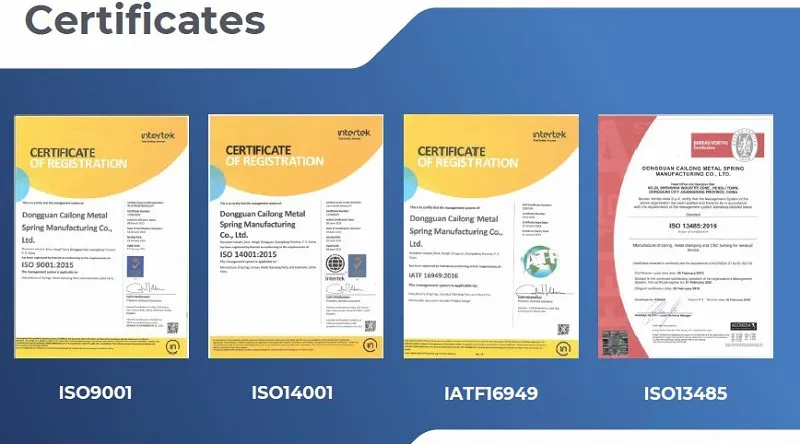
When requesting parts for this industry, working with a company that strives for zero defects in parts is essential. Having zero defect parts is one of our goals at Standard Die. As an ISO 9001:2015 certified company, we must meet rigorous industrial standards. Our customers benefit from these requirements by getting well-crafted, reliable parts made with accuracy and precision.
Construction and housing industry
Custom-built homes and renovations are increasingly popular in the construction and housing industry. To meet the demands of these new constructions, builders may need to turn to custom-created components such as trusses, fuse boxes, brackets, clips and more. These parts may go into electronics, lighting, housings and structures for construction projects.
One of the major markers of the construction industry is the need for part longevity. Components must meet strict building requirements while ensuring years of life in place. To ensure the correct fit for metal parts used in this industry, request customization. Additionally, you can choose the materials to balance cost and longevity for your projects.
Mining industry
The metal used for mining equipment has to hold up to the intense processes of drilling, extracting, hauling and moving mined materials. With mining spanning products as hard as stone to softer sand, the tools used in the sector also have to be versatile and durable.
Mining equipment needs to use some of the toughest materials. Common materials used in mining gear include niobium, molybdenum, titanium and tantalum. These durable metals withstand corrosion, pressure and heat for use in drill heads, cups, cans, drills and more.
Alternative energy industry
The alternative energy industry includes solar, wind, hydroelectric and other sources of power aside from fossil fuels. Across the country, the demand for alternative, cleaner power sources is on the rise. Consequently, you may find a greater need for parts for the creation of products to generate energy.
To accommodate the needs of this sector, facilities produce custom-designed solar panels, wind turbines and other energy collecting devices. These products often do not accommodate standard parts from catalogs. To get the exact parts your products need, customize them with our metal stamping services.
Our Factory
KC is a high-tech enterprise that manufactures hardware products for stamping, machining, turning, and wire forming, especially in stamping and turning processes, wire forming and turning. Strict quality control is ensured & customization is welcomed.


Certificate
FAQ
Q: What is called stamping?
Q: What is the meaning of stamping process?
Q: What are the uses of stamping?
The process of metal stamping is used by industry to produce parts and products with high precision, accuracy, and speed. Products produced using stamping methods have lower errors per production cycle than any other process, which eliminates flawed or faulty products.
Q: What is stamping services?
Q: What is automotive metal stamping?
Q: Is metal stamping expensive?
Q: What is the difference between metal stamping and metal pressing?
Q: What is the difference between etching and stamping?
Chemical Etching is a high precision micro-manufacturing technology. With etching, a higher level of accuracy and precision can be achieved. Moreover, etched parts are completely burr and stress free while stamped parts feature partial burrs and stress at cutting edge.
Q: Is metal stamping difficult?
Q: Do you need a special hammer for metal stamping?
Q: What is the best thickness for metal stamping?
Q: What metal do you use for metal stamping?
Q: What is the process of stamping a car?
Q: Can you use a wood block for metal stamping?
Q: What do I need to start metal stamping?
Metal stamps – these could be letter stamps, number stamps or design stamps.
A stamping hammer – purchase a stamping hammer so you can create the desired effect with ease.
A stamping block – or flat plate, so you can stamp on a stable surface.
Q: Can you use regular washers for metal stamping?
Q: What is motor stamping?
Q: What is the difference between embossing and stamping metal?
Q: Is metal stamping worth it?
Q: Why use metal stamping?
We're well-known as one of the leading stamping manufacturers and suppliers in China. Please rest assured to buy high quality stamping for sale here and get quotation from our factory. For customized service, contact us now.
Compression of Copper Alloys, , Medical cnc cutting